
If your morning routine involves pouring a fresh cup of coffee—and then immediately pouring another—you can finally breathe a sigh of relief.
For years, coffee lovers lived under a persistent cloud of guilt. Every extra refill felt like a risky gamble with heart health. However, recent medical consensus brings refreshing news straight from top cardiovascular researchers. Most adults can safely enjoy multiple cups of coffee every single day without harming their hearts.
In a comprehensive scientific statement published in the American Heart Association’s (AHA) peer-reviewed journal Circulation, researchers reviewed the latest medical data regarding caffeine and heart health. The findings offer a clear green light for coffee enthusiasts, provided you keep a few crucial caveats in mind.
The AHA Finding: Up to 5 Cups a Day Is Safe

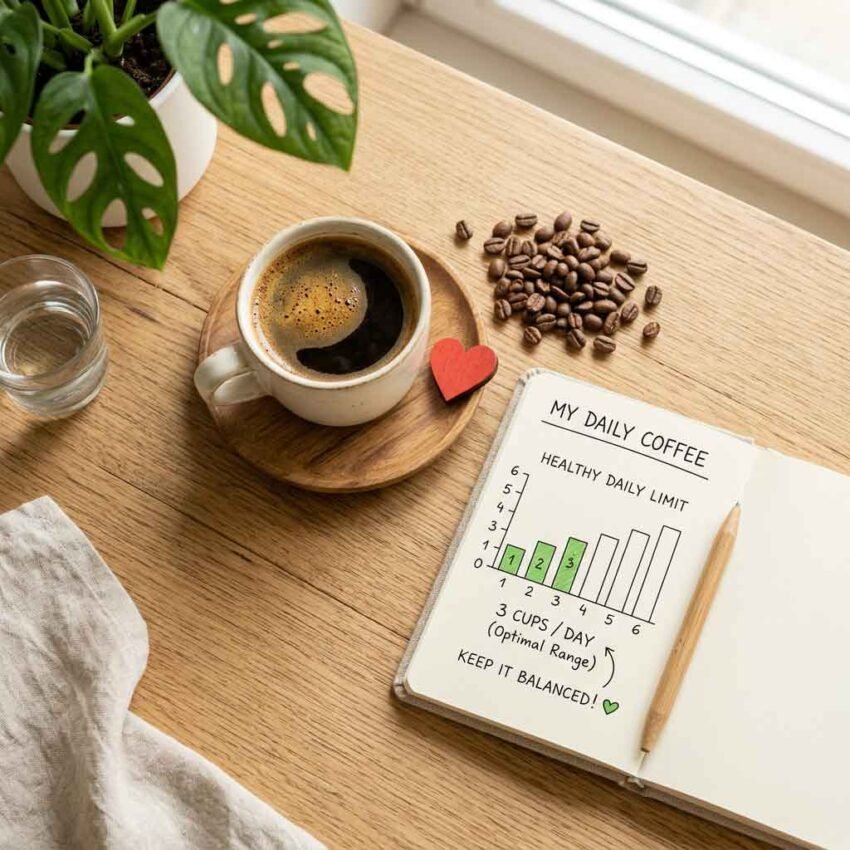
According to the AHA report, most healthy adults can safely consume up to five cups of caffeinated coffee per day.
This daily limit translates to roughly 400 milligrams (mg) of caffeine. At this level, researchers found no evidence of an increased risk for cardiovascular disease.
Dr. Gregory M. Marcus, professor of medicine and associate chief of cardiology for research at the University of California, San Francisco (UCSF) Health, served as the chair of the AHA volunteer writing group. He noted that regular coffee intake within this threshold does not harm the heart for the average person.
However, before you run to order a mega-sized, syrup-laden seasonal latte, you need to look at the fine print.
The Black Coffee Rule: Why Your Add-Ins Change Everything
The positive health findings in the AHA review apply specifically to black coffee.
While pure coffee beans contain beneficial antioxidants and plant compounds, popular coffee drinks today often double as liquid desserts. Adding large amounts of refined sugar, flavoured syrups, whipped cream, and whole dairy products fundamentally changes the beverage’s nutritional profile.
How Sugary Additives Undo Coffee’s Benefits
- Caloric Overload: Flavoured syrups and heavy creams dramatically raise total calorie intake.
- Metabolic Strain: High sugar intake promotes weight gain and insulin resistance over time.
- Neutralised Advantages: Heavy calories and saturated fats counteract the potential cardiovascular protection offered by coffee itself.
If you enjoy your brew with a splash of milk or a tiny bit of sweetener, you do not need to panic. The primary goal is avoiding daily high-sugar beverages that replace helpful antioxidants with empty calories.
Surprising Health Benefits of Drinking Caffeinated Coffee
Drinking coffee does far more than keep you awake during morning staff meetings. The AHA review highlighted several long-term health benefits linked to regular, moderate coffee consumption.
When consumed without excessive sugars or heavy flavours, caffeinated coffee is associated with a lower risk of several major chronic conditions:
- Type 2 Diabetes: Regular drinkers show improved insulin sensitivity over time.
- Heart Failure: Consistent intake correlates with better overall cardiac endurance.
- Stroke: Moderate coffee consumption aligns with a reduced incidence of ischemic strokes.
- Cardiovascular Disease: Long-term data shows reduced overall heart disease risk.
- Irregular Heart Rhythms: Contrary to old myths, moderate coffee drinking actually links to lower rates of certain arrhythmias.
These findings challenge the outdated belief that caffeine inherently triggers dangerous heart palpitations in healthy individuals.
Filtered vs. Unfiltered Coffee: What You Need to Know About Cholesterol
How you brew your morning cup plays an understated role in your long-term blood chemistry.
The AHA review examined research regarding coffee’s impact on lipid levels. The evidence shows that unfiltered coffee contains natural oils (specifically diterpenes like cafestol) that can raise levels of LDL, commonly known as “bad” cholesterol.
Common Unfiltered Brewing Methods
- French Press: Uses a mesh metal screen that lets coffee oils pass into your mug.
- Espresso: High-pressure extraction retains oily compounds in the crema.
- Turkish Coffee: Boiled directly without filtration, leaving fine sediment and oils intact.
- Boiled / Cowboy Coffee: Unfiltered brewing that yields high diterpene concentrations.
In contrast, traditional drip coffee makers use paper filters. Paper captures these lipid-raising compounds before they reach your cup.
If you already deal with elevated LDL cholesterol, switching from a daily French press to filtered pour-over or drip coffee offers an easy, non-prescription way to help keep your numbers in check.
Energy Drinks vs. Coffee: Why High-Dose Shots Fail the Heart Test
The AHA’s reassuring 5-cup recommendation applies strictly to standard caffeinated coffee. It explicitly does not apply to high-dose caffeine products like energy drinks or concentrated energy shots.
Dr. Marcus highlighted this distinction, warning that high doses of caffeine packaged in energy beverages can cause genuine harm to the heart and should be avoided.
“High doses of caffeine, such as those found in energy drinks including energy shots, may have harmful effects on the heart and should be avoided.”
— Dr. Gregory M. Marcus, Chair of the AHA Writing Group
Why Energy Drinks Present Higher Risks
- Extreme Concentration: Energy shots often contain 3 to 4 times more caffeine per fluid ounce than standard coffee.
- Rapid Ingestion: Consumers often gulp down energy shots quickly, spiking caffeine levels in the bloodstream almost instantly.
- Compound Effects: Energy blends often combine high caffeine with other stimulants and heavy sugars.
These rapid spikes in caffeine concentration can trigger high blood pressure or cause irregular heart rhythms (arrhythmia).
This issue extends beyond canned drinks. Young demographics increasingly consume novelty items like discreet caffeine pouches. While convenient, these concentrated products make it easy to exceed safe thresholds without realising it.
Hidden Caffeine Sources and Individual Metabolism
Calculating your daily caffeine intake involves more than counting coffee mugs. Several everyday foods and drinks contribute to your cumulative daily total.
| Caffeine Source | Typical Amount | Cumulative Impact |
|---|---|---|
| Black Coffee (8 oz) | ~80–100 mg | Main daily source for most adults |
| Black / Green Tea | ~30–50 mg | Moderate contributor to daily total |
| Caffeinated Soda | ~30–40 mg | Adds caffeine alongside refined sugar |
| Dark Chocolate | ~12–20 mg per oz | Subtle, minor source of daily caffeine |
| Energy Shots | Up to 200+ mg per oz | High risk for sudden cardiovascular strain |
Factors That Influence Your Caffeine Response
Dr Marcus emphasised that there is no single “one-size-fits-all” standard for safe caffeine intake. Everyone processes caffeine at different speeds based on specific personal variables:
- Genetics: Specific liver enzymes determine how quickly your body breaks down caffeine. Fast metabolizers clear it in hours; slow metabolizers process it over a long period.
- Age: Older adults often experience heightened sensitivity to stimulants.
- Medications: Certain prescription drugs interfere with caffeine metabolism, compounding its physical effects.
- Underlying Health Conditions: Pre-existing heart conditions require tailored advice from a physician.
Listening to your body remains the ultimate guideline. If two cups leave you feeling jittery, anxious, or unable to sleep, your personal daily limit is lower than the 5-cup population average.
Bottom Line: Enjoy Your Brew Wisely
The latest AHA review in Circulation delivers reassuring news. You don’t need to give up your favourite morning routine to protect your heart.
Stick to filtered black coffee, keep added sugars to a minimum, skip high-dose energy shots, and pay attention to how your body reacts. As long as you keep your total intake around 400 mg of caffeine or fewer, your daily brew can remain an enjoyable part of a healthy lifestyle.
Frequently Asked Questions
Is 5 cups of coffee a day too much for your heart?
For most healthy adults, consuming up to 5 cups of black coffee per day (about 400 mg of caffeine) does not increase the risk of cardiovascular disease, according to the American Heart Association.
Does coffee raise bad LDL cholesterol?
Unfiltered coffee—such as French press, espresso, or Turkish coffee—contains natural oils that can raise LDL (“bad”) cholesterol. Using paper filters traps these oils and prevents cholesterol spikes.
Are energy drinks as safe as caffeinated coffee?
No. Energy drinks and concentrated energy shots contain much higher concentrations of caffeine per fluid ounce. They can trigger sudden spikes in blood pressure and irregular heart rhythms, making them significantly riskier for heart health than coffee.
