U.S. Crude Oil Drops Below $80 as Iran Engages Saudi Arabia and Oman on Strait of Hormuz Navigation

BUSINESS updates: Ceasefire and USA -Global energy markets experienced a sharp shift as crude oil prices tumbled, with U.S. West Texas Intermediate (WTI) falling below the critical $80 psychological support level. The sudden pull-back in oil futures follows a strategic pause in hostilities between the United States and Iran, coupled with high-level diplomatic discussions between Tehran, Riyadh, and Muscat concerning maritime safety in the Strait of Hormuz.
Traders and institutional commodity investors adjusted risk premiums across energy portfolios as diplomatic avenues reopened, cooling down a rally that had previously pushed benchmark international crude past $100 per barrel.
Market Breakdown: WTI and Brent Crude Futures Slipping
Crude oil benchmarks experienced notable selling pressure as immediate fears of regional supply bottlenecks began to ease.
-
U.S. West Texas Intermediate (WTI): WTI crude futures dropped 3.3% to settle at $79.87 a barrel, breaking below the $80 benchmark for the first time in recent weeks.
-
Brent Crude Futures: The global benchmark Brent crude fell 3.9% to $84.91 a barrel, paring back previous gains driven by geopolitical supply disruption concerns.
====================================================================
ENERGY FUTURES SUMMARY
====================================================================
Benchmark                Settlement Price    Session Change (%)
--------------------------------------------------------------------
WTI Crude Futures        $79.87 / barrel     -3.3%
Brent Crude Futures      $84.91 / barrel     -3.9%
Key Catalyst             U.S.-Iran Hostility Pause & Hormuz Talks
====================================================================
This market contraction reflects a rapid unwinding of the geopolitical risk premium that had previously built up in crude oil futures contracts. However, market participants remain watchful, as physical flows through critical maritime chokepoints remain below historical baselines.
Diplomatic Outreach: Talks Between Iran, Saudi Arabia, and Oman
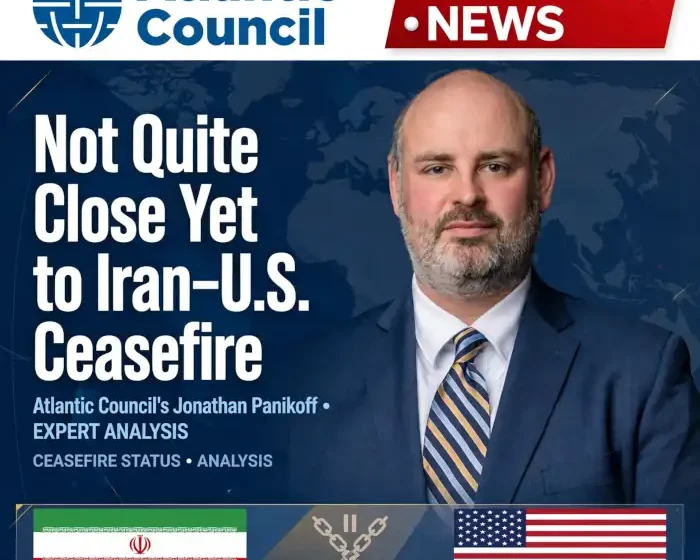
The primary catalyst for the decline in oil prices centres on discussions hosted by Iran’s top diplomat, Seyyed Abbas Araqchi. In separate phone consultations with his Saudi Arabian and Omani counterparts, Araqchi addressed maritime security in the Persian Gulf.
According to an official statement released via Telegram by Iran’s foreign ministry, the conversations focused on the necessity to resolve instability in the Strait of Hormuz. The diplomatic dialogues emphasise regional coordination to restore secure navigation through the waterway, through which approximately 20% of the world’s petroleum supply traditionally passes.
Concurrently, reports indicate that Oman presented a regional framework—supported by neighboring Gulf Cooperation Council (GCC) states—designed to manage commercial transit through the Strait of Hormuz. The proposal aims to establish structured shipping protocols to mitigate naval confrontation risks and reassure commercial tanker operators.
Military Pause and U.S. Munitions Considerations
The diplomatic shift coincided with an operational lull in direct strikes between Washington and Tehran. After nearly two weeks of intense military exchanges, both sides entered a temporary pause in active engagements.
Reports indicate that strategic evaluations regarding U.S. munitions stockpiles contributed to Washington’s tactical decision to pause strikes. While President Donald Trump publicly dismissed claims of inventory shortages—stating aboard Air Force One that the military possesses ample ordnance—defense advisers recommended allowing space for diplomatic channels to negotiate a resolution.
Although Tehran officially denied signing a formal 10-day ceasefire agreement, the lack of active retaliatory strikes over consecutive days provided energy traders the operational clarity needed to recalibrate energy risk models.
Wall Street Analysis & Investment Banking Projections
Major financial institutions and energy research desks issued updated price targets and market commentary following the price decline:
Goldman Sachs Outlook
Analyst reports from Goldman Sachs suggest that Brent crude could moderate toward the $80 per barrel mark by the fourth quarter, contingent on a full reopening of the Strait of Hormuz. However, Goldman Sachs analysts highlighted alternative upside risks:
“While a diplomatic solution in Hormuz could anchor prices near $80 by year-end, persistent Red Sea shipping disruptions and potential threats to Saudi onshore energy infrastructure retain upside risk for crude oil and refined product futures.”
Commonwealth Bank of Australia (CBA)
Energy strategists at Commonwealth Bank of Australia noted that while market sentiment softened due to diminished expectations of immediate infrastructure strikes, baseline supply risks remain elevated. CBA emphasized that unless shipping volume through the Strait of Hormuz rebounds to pre-conflict levels, sudden headlines could reignite buying interest in commodity markets.
| Financial Institution | Price Projection / Scenario | Key Risk Factors |
| Goldman Sachs | $80 / bbl Brent by Q4 | Red Sea disruptions & Saudi infrastructure threats |
| Commonwealth Bank of Australia | Volatile near-term range | Unresolved Hormuz transit protocols & Houthi drone strikes |
| RBC Capital Markets | Elevated risk premium | Prolonged recovery time for commercial maritime traffic |
Broader Supply Chain Factors: Red Sea Threats and Demand Destruction
Despite falling futures prices, underlying physical oil flows reflect continued tightness across global energy supply chains.
-
Subdued Strait Export Volumes
-
Red Sea & Bab el-Mandeb Strain:
Asian Demand Destruction:
Global Oil Flow Impact (Pre-Conflict vs. Current Transit)
---------------------------------------------------------
Pre-Conflict Gulf Transit:      ~5.9 Million Barrels / Day
Current Reduced Transit:        ~2.9 Million Barrels / Day
Operational Transit Capacity:   ~49% of Historical Baseline
Implications for Energy Investors and Commodity Traders
The recent drop in crude prices has direct implications across equity, debt, and derivative markets:
Major integrated oil companies (such as ExxonMobil, Chevron, and Shell) alongside broad energy sector exchange-traded funds (such as XLE and USO) experienced short-term price pullbacks tracking the underlying commodity curve.
Inflation and Federal Reserve Policy
A sustained decline in oil futures could ease consumer price index (CPI) pressures, providing central banks with greater flexibility regarding interest rate adjustments.
Summary & Market Outlook
The drop in U.S. crude oil below $80 per barrel signals a temporary shift in energy market dynamics as diplomatic channels between Iran, Saudi Arabia, and Oman work toward stabilising the Strait of Hormuz. While a pause in direct military strikes between the U.S. and Iran has relieved immediate market panic, structural supply chain risks and reduced shipping volumes suggest that commodity volatility will remain a defining feature for global energy investors throughout the remainder of the year.