Discount Chain Closing Stores: Why Shuttering 75 Locations to Fix ‘Substandard’ Outlets is the New Value Retail Strategy
The bargain hunting universe is facing a massive wake-up call. If your usual weekend routine involves browsing tightly packed aisles for extreme value, you need to prepare for a sudden shift. The physical footprint of budget shopping is changing right under our fee
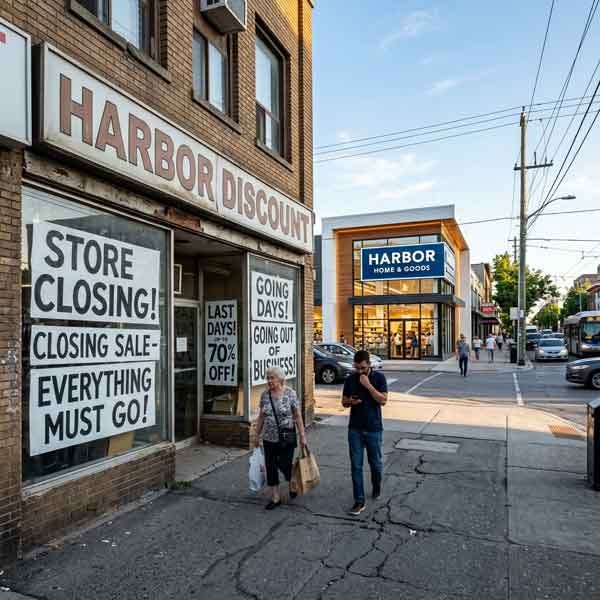
In a recent corporate announcement that captured the attention of both Wall Street and neighborhood shoppers, a prominent value giant revealed an aggressive restructuring plan. The chain confirmed it will close 75 underperforming locations across its fleet. Even more surprising than the actual closures is the brutal honesty from corporate executives, who openly labeled a substantial portion of their older retail footprint as “substandard” by their own internal operational metrics.
[Total Corporate Fleet] ──> [75 Substandard Closures]
                                     │
                                     ▼
                        [400 Strategic New Openings]
This bold operational pivot aims directly at modernization. According to parent company data, these fast-moving changes across thousands of stores will protect long-term brand reputation, combat inventory losses from retail theft, and fix deteriorating layout conditions. For everyday consumers, this targeted corporate purge marks a clear evolution in the deep-value space.
The True Discount Store Meaning in a Post-Inflation Era
To properly understand why this massive layout shakeup matters, we must analyze the structural discount store meaning in today’s economy. High-value retail operations generally divide into a few distinct corporate categories, each serving a unique consumer purchasing habit:
- Closeout Liquidation Centers: These businesses purchase excess overstock or discontinued merchandise lines from top brands, passing the savings down via a fast-rotating “treasure hunt” shopping floor layout.
- Traditional Variety Operations: These spaces specialize in cheap household consumables, party decorations, and small tools. They rely heavily on low price points to move massive transactional volumes.
- Deep-Discount Grocery Operations: These stores cut standard supermarket perks to offer highly competitive pricing on essential household staples and private-label foods.
When a national operator allows its layout to slide below basic standards—leaving aisles blocked and shelves empty—the foundational business model fails. Shoppers look elsewhere, forcing corporate executives to act quickly.
Market Realities: Tracking Shifted Consumer Expectations
The corporate decision to drop underperforming properties highlights shifting consumer expectations across prominent bargain categories. Modern inflation has made household budgets tighter, but it has also made consumers much more discerning about where they spend their hard-earned dollars.
To break down the consumer search landscape, consider the following prominent categories:
discount grocery store chains
High inflation has driven unprecedented demand for affordable food staples. However, modern buyers expect inventory freshness over bare-bones layouts. If a location smells like a basement and features dented cans, consumers will look elsewhere.
discount retail stores
This segment thrives on convenience and quick transactions. Customers expect clean, well-lit spaces, easy parking, and rapid checkout options. When variety shops skip regular cleaning and building maintenance to trim budgets, foot traffic plummets.
discount department stores
Apparel and home goods liquidation require an organized presentation. Shoppers love finding a hidden deal, but they refuse to dig through broken bins or damaged goods on a dirty floor.
The reality is simple: consumer tolerance for unkept retail floors has dropped to zero. Messy storefronts lose foot traffic to cleaner competitors or online options.
Navigating the Dynamic Value Retail Landscape
Finding the right mix of price and convenience has turned into a strategic task for modern households. Consumers regularly use mobile navigation tools to actively scan for discount department stores near me or locate verified discount retail stores near me to cut down on commuting costs.
[Consumer Budget Pressures] ──> [Scans for "Discount Stores Near Me"]
                                          │
                                          ▼
[Chooses Cleaner, Multi-Price Competitor] <── [Evaluates Cleanliness & Safety]
When a neighborhood variety box becomes disorganized, it fails the basic convenience test. A messy, understaffed store with blocked aisles cannot compete with an organized alternative down the street. Rather than sinking capital into repairing failing properties, dropping weak leases allows value brands to focus their resources on highly profitable commercial zones.
The Hidden Corporate Fleet Structure
The upcoming retail changes extend far deeper than the sign on the outside of a single building. The value sector is highly consolidated, with a tiny handful of major corporate parents controlling competing consumer brands.
Managing two distinct logistics webs creates substantial overhead, making footprint optimization an absolute financial necessity. Older locations that suffer from structural wear and tear drag down the profitability of the entire enterprise, making aggressive lease pruning the most logical step forward.
Strategic Growth: Launching 400 Next-Generation Locations
While the headline warning that a national retail chain is pruning its footprint might sound alarming on paper, it does not mean the value sector is shrinking. In fact, it represents a standard corporate real estate optimization plan. The brand paired its closing announcements with a solid plan to open 400 brand-new stores during the current fiscal cycle.
[Close 75 Substandard Outlets] ──> [Free Up Real Estate Capital]
                                           │
                                           ▼
[400 Modernized Buildouts] <─── [Target High-Growth Suburban Zones]
This real estate shuffle allows the company to walk away from bad leases in declining commercial centers. They can then pivot their capital into booming suburban neighborhoods.
The next-generation buildouts will look nothing like the “substandard” stores being closed down. They will feature wider shopping aisles, larger cooler sections for frozen foods, and dedicated spaces for multi-price items to boost total cart values.
Actionable Tips for Smart Value Shoppers
As national retail footprints shift and local storefront configurations evolve, everyday consumers can use a few simple strategies to maximize their personal household savings:
1. Capitalize on Corporate Liquidation Cycles
When a prominent chain prepares to shut an underperforming location permanently, shipping low-margin stock back to a central warehouse rarely makes financial sense. Instead, managers slash prices on-site. Keep a close eye on neighborhood store notices to find deep, store-wide clearance discounts.
2. Cross-Reference Unit Pricing
Do not automatically assume that a variety shop offers the absolute lowest price on standard household consumables. Because of recent inflationary changes, multi-packs of paper plates or name-brand laundry detergents are often cheaper per ounce when purchased in bulk at warehouse clubs or large supercenters. Always check the labels carefully.
3. Dig Into a Deep Discount Department Stores List
If your favorite local shopping spot closes down, look up a comprehensive discount department stores list online to find alternative value operations in your area. Regional closeout liquidators and lesser-known independent outlets frequently buy up national corporate overstock, passing massive savings on to local shoppers without the corporate store overhead.
The Future Blueprint of Budget Shopping
The extreme value retail sector isn’t disappearing; it is simply growing up. The era of dark, dirty, and chaotic bargain basements is rapidly drawing to a close, pushed out by modern consumer preferences and tighter corporate balance sheets.
As national brands weed out their weakest links and invest heavily in clean, secure, next-generation spaces, consumers will ultimately win. The total number of value storefronts might dip slightly in specific zip codes, but the surviving locations will offer a safer, more reliable, and significantly more efficient shopping trip.