What to know about Aortic dissection?
Health Updates USA: An aortic dissection is one of the most serious medical emergencies affecting the heart and blood vessels. Although it is relatively uncommon, it requires immediate diagnosis and treatment because every passing minute can increase the risk of life-threatening complications.
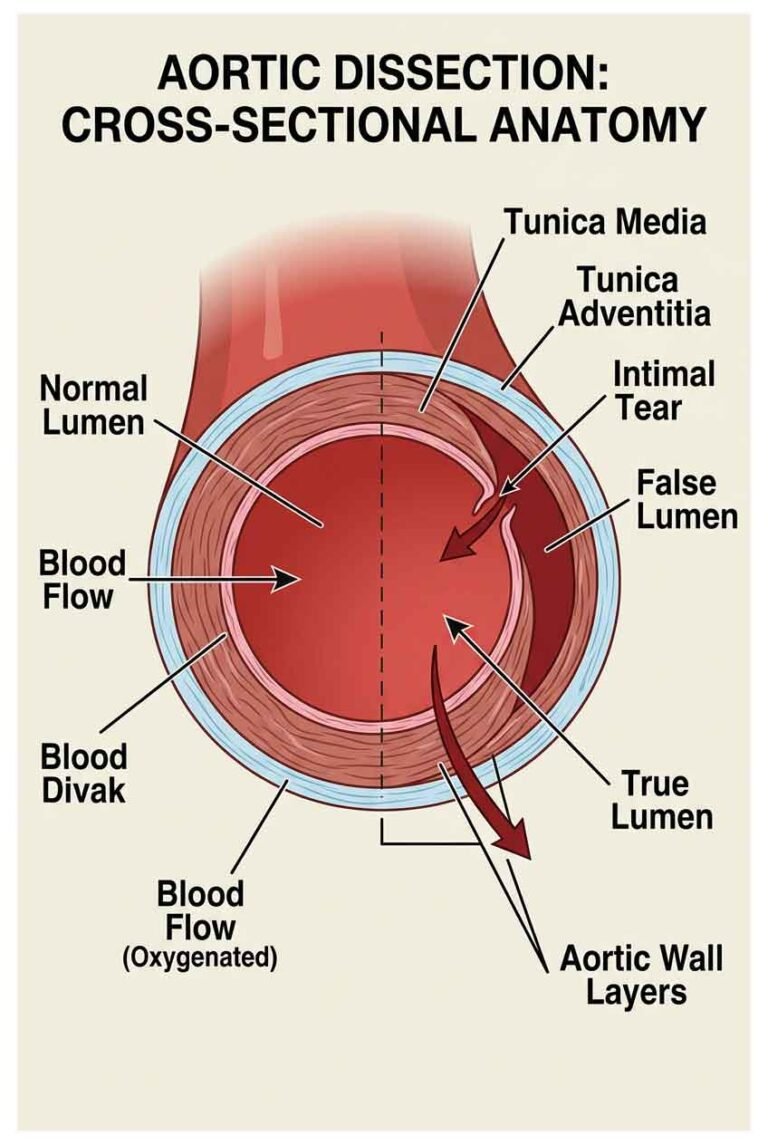
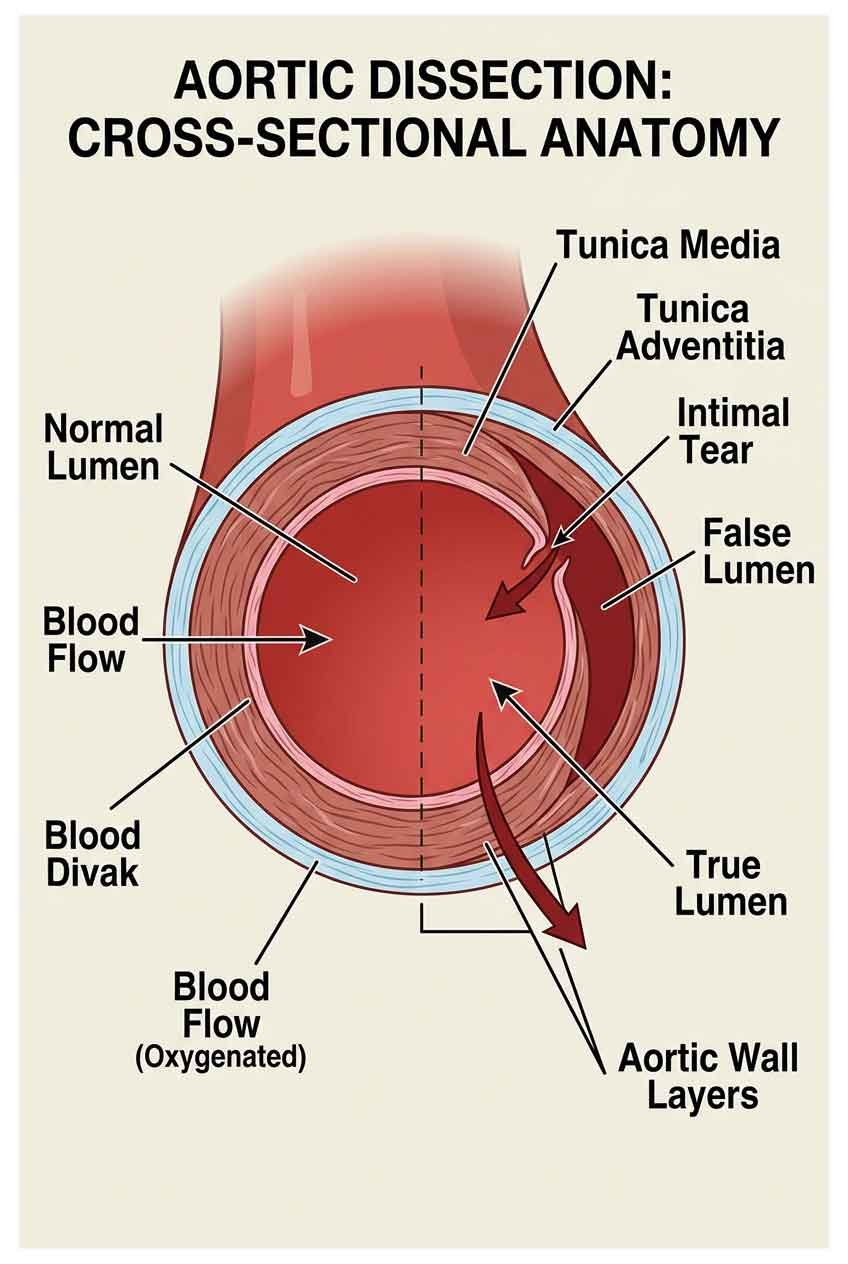
The condition occurs when a tear develops in the inner layer of the aorta, the body’s largest artery. Blood enters the tear and separates the layers of the artery wall, creating what doctors call a “false lumen.” If left untreated, the dissection can interrupt blood flow to vital organs or even cause the aorta to rupture.
The good news is that modern imaging, faster emergency care, and advances in surgery have improved survival rates. Early recognition remains the key to saving lives.
This guide explains what an aortic dissection is, why it happens, who faces the highest risk, how doctors diagnose it, and what treatments are available. All information is based on guidance from trusted medical organisations.
What Is an Aortic Dissection?
The aorta carries oxygen-rich blood from the heart to the rest of the body. It begins at the heart, travels through the chest, and continues into the abdomen before branching into smaller arteries.
Meaning: An aortic dissection begins when the innermost layer of the aortic wall tears. Blood rushes into the opening and forces the layers of the artery apart.
Imagine peeling apart the layers of a thick book while water flows between the pages. That is similar to what happens inside the artery.
The dissection may remain limited or extend along the length of the aorta. As it spreads, it can block blood flow to organs such as the brain, kidneys, intestines, or legs. Because the aorta supplies nearly every organ in the human body, damage can become severe within a short time.
Types of Aortic Dissection
Doctors classify aortic dissections according to their location because treatment depends on which section of the aorta is affected.
Type A :
Type A affects the ascending aorta, the section closest to the heart.
This type represents the greatest emergency because it can quickly lead to:
- Aortic rupture
- Heart failure
- Cardiac tamponade
- Stroke
- Sudden death
Emergency surgery is usually necessary.
Type B:
Type B affects the descending aorta, which extends through the chest and abdomen. Many patients receive medication first to control blood pressure. Some cases require minimally invasive procedures or surgery if complications develop.
Causes
The condition usually develops because the aortic wall has weakened over time. Several medical conditions and lifestyle factors increase the risk.
High Blood Pressure
Long-term high blood pressure remains the leading risk factor. Constant pressure damages the artery wall year after year, making it easier for a tear to occur. Doctors recommend keeping blood pressure under control through medication, exercise, and healthy eating.
Atherosclerosis
Plaque buildup inside arteries can weaken blood vessels. Although atherosclerosis causes many cardiovascular diseases, it also increases the likelihood of an aortic injury.
Genetic Disorders
Certain inherited conditions affect connective tissue and increase the chance of developing an aortic dissection.
These include:
- Marfan syndrome
- Loeys-Dietz syndrome
- Vascular Ehlers-Danlos syndrome
- Turner syndrome (in some patients)
People with these conditions often undergo regular imaging to monitor the size of the aorta.
Existing Aortic Aneurysm
An enlarged aorta, known as an aortic aneurysm, places additional stress on the artery wall. As the aneurysm grows, the risk of dissection also rises. Routine monitoring helps doctors decide when preventive surgery becomes necessary.
Chest Trauma
Severe motor vehicle accidents or major falls can damage the aorta. Although less common than high blood pressure, traumatic injury remains an important cause of acute aortic dissection.
Pregnancy
Pregnancy slightly increases the risk in women who already have connective tissue disorders or significant heart disease. Fortunately, this situation remains uncommon.
Cocaine and Stimulant Use
Illegal stimulants can cause sudden spikes in blood pressure. These rapid increases may trigger an aortic tear in susceptible individuals.
How to know its Symptoms?
Symptoms often appear suddenly and without warning. The most common sign is severe chest pain.
Patients frequently describe the pain as:
- Sharp
- Tearing
- Ripping
- Stabbing
- Sudden and intense
The pain may spread into the neck, back, shoulders, abdomen, or legs depending on where the dissection travels.
Other symptoms include:
- Sudden back pain
- Shortness of breath
- Fainting
- Sweating
- Weakness
- Difficulty speaking
- Vision changes
- Weak pulse in one arm
- Leg pain
- Confusion
Because symptoms resemble those of a heart attack, immediate medical evaluation is essential.
Who Is at the highest risk?
Although anyone can develop an aortic dissection, several groups face a vulnerable risk.
These include:
- Adults over age 60
- People with uncontrolled hypertension
- Men, who are affected more often than women
- Individuals with inherited connective tissue disorders
- Patients with bicuspid aortic valve disease
- Smokers
- People with a family history of aortic disease
Regular health checkups help identify many of these risk factors before complications occur.
How Doctors Diagnose Aortic Dissection
Doctors act quickly because early diagnosis saves lives. The evaluation begins with a physical examination and medical history. Blood pressure measurements in both arms may reveal significant differences. Doctors often listen for abnormal heart sounds and assess blood flow to different parts of the body.
However, imaging provides the definitive diagnosis.
CT Angiography
A CT angiogram (CTA) remains the most common emergency imaging test. It produces detailed images of the aorta within minutes and allows health doctors to identify the location and extent of the tear.
Transesophageal Echocardiography: This specialised ultrasound places a probe inside the oesophagus, allowing doctors to view the heart and nearby aorta. Hospitals often use this test when patients cannot undergo CT scanning.
MRI
Magnetic resonance imaging produces highly detailed pictures without radiation exposure. Although MRI provides excellent accuracy, it generally takes longer than CT and is not always suitable during emergencies.
Chest X-ray
A chest X-ray cannot confirm an aortic dissection by itself. However, it may reveal signs such as a widened mediastinum, prompting additional imaging.
Treatment Medical Options
Treatment depends on the location of the dissection. Doctors first stabilise the patient’s heart rate and blood pressure. Reducing pressure inside the aorta helps prevent the tear from worsening.
Medications adherence
Patients commonly receive:
- Beta-blockers
- Intravenous blood pressure medication
- Pain relief
Lowering heart rate reduces stress on the damaged artery.
When is emergency surgery required for aortic dissection?
Patients with Type A aortic dissection almost always require emergency surgery.
Surgeons remove the damaged portion of the aorta and replace it with a synthetic graft. In some other recent cases, they also repair or replace the aortic valve. Prompt surgery dramatically improves survival compared with leaving the condition untreated.
Talk on the Aortic Dissection forum about the causes, types, warning signs, surgery, medication, and more.
About the Author