

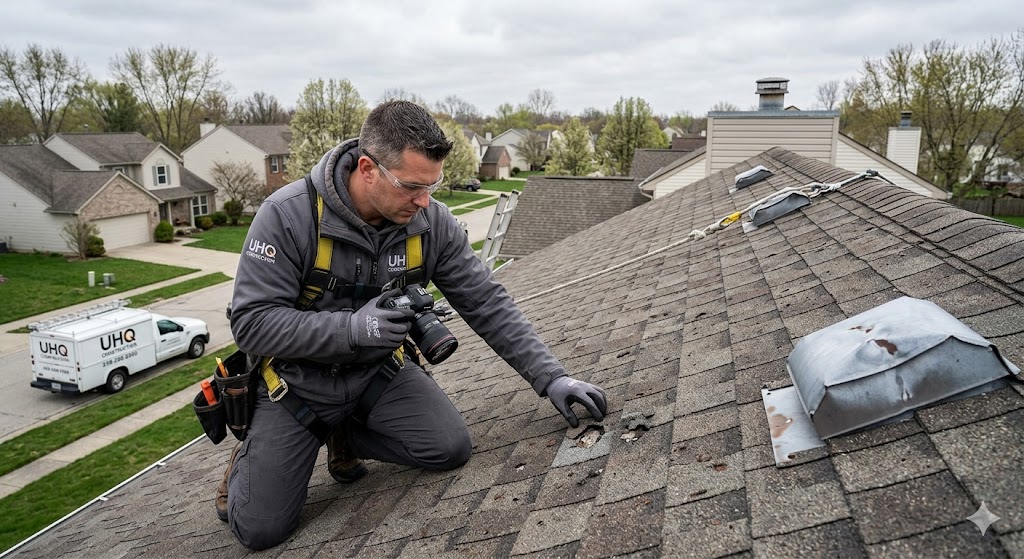

GREENWOOD, Ind. — For the average homeowner, a severe thunderstorm is a temporary inconvenience, a cacophony of sound that eventually gives way to clear skies. However, beneath the relief of a passing storm lies a hidden threat that can compromise the structural integrity of a home for years to come: hail.
In a newly released feature by HelloNation, industry veteran and expert contractor Cory Getz, owner of UHQ Construction, provides a comprehensive roadmap for navigating the aftermath of a hailstorm. The central message of the report is clear: when it comes to your roof, what you don’t see can—and likely will—hurt you. From the microscopic degradation of asphalt shingles to the complex bureaucracy of insurance claims, Getz outlines why the window for action is much smaller than most homeowners realize.
The Hidden Anatomy of Hail Damage
One of the most dangerous misconceptions regarding hail is that if the roof isn’t actively leaking, it isn’t damaged. “Damage from hail is not always obvious,” Getz explains in the HelloNation feature. “Problems such as missing granules, cracked shingles, or dented vents may go unnoticed for months, even years, without a professional evaluation.”
The Granule Crisis
To understand why immediate inspection is vital, one must understand the anatomy of a shingle. Asphalt shingles are coated with ceramic-fired granules that serve two purposes: they provide color and, more importantly, they protect the underlying bitumen from ultraviolet (UV) radiation.
When hail strikes, it acts like a hammer, knocking these granules loose. While the shingle may look intact from the ground, the impact creates “bruises.”
As these granules wash away into the gutters, the sun’s rays begin to “cook” the exposed asphalt. This leads to premature brittleness, cracking, and eventual failure. Scheduling an inspection early allows a professional to spot these impact points before the “balding” process accelerates.
Compromised Metal Components
Beyond the shingles, hail frequently targets the roof’s “jewelry”—the flashing, vents, and metal components. Flashing around chimneys, skylights, and vents is the roof’s last line of defense against water intrusion. Getz notes that even minor denting on these metal surfaces can indicate structural stress. If flashing is warped or pulled away by the force of a hail impact, it creates a direct pathway for water to enter the attic, often resulting in mold and wood rot long before a ceiling stain appears.
The Race Against the Insurance Clock
Perhaps the most compelling reason to schedule a roof inspection immediately after a storm is the logistical reality of insurance coverage. Most homeowners’ insurance policies have a “statute of limitations” on filing claims related to storm damage—often ranging from one to two years. However, waiting until the end of that window is a significant gamble.
“Visible signs of damage may fade over time,” the article notes. This phenomenon, known as “weathering,” can obscure the specific impact marks left by hail. When an insurance adjuster arrives six months after a storm, they may attribute the wear to “age-related deterioration” rather than a specific weather event, leading to a denied claim.
Early documentation by a professional contractor like Getz provides a “snapshot” of the damage. By recording the presence of displaced granules and dented vents immediately, homeowners create a paper trail that is difficult for insurance companies to dispute.
The Escalation Factor: How Minor Issues Become Major Costs
A roof is a dynamic system, constantly expanding and contracting with temperature changes. When hail compromises a shingle or a piece of flashing, that area becomes a weak point that is exploited by every subsequent weather event.
- Sun Exposure: UV rays degrade the exposed asphalt once granules are lost.
- Secondary Storms: High winds can more easily catch the edge of a “bruised” or loosened shingle, tearing it away entirely.
- Seasonal Shifts: In regions like Indiana, the freeze-thaw cycle is a roof’s worst enemy. Water gets into the microscopic cracks caused by hail, freezes, expands, and widens the gap.
Getz emphasizes that a timely inspection allows homeowners to differentiate between cosmetic issues (which may not require immediate repair) and structural issues (cracked shingles or compromised flashing) that require urgent intervention. This prioritization is key to avoiding the “cascading failure” of a roofing system.
Strategic Timing: Seasons and Accessibility
The HelloNation report highlights that timing isn’t just about the number of days since the storm; it’s about the seasonal calendar. Scheduling an inspection before the onset of heavy winter snow or spring monsoons is critical.
“Delays can make it harder to identify granule loss or other visible signs,” the report explains. When a roof is covered in snow or debris, a thorough assessment becomes nearly impossible. Furthermore, contractors often face a surge in demand following a major storm. By moving quickly, homeowners can secure a spot in the queue and ensure their repairs are completed before the next extreme weather cycle begins.
Conclusion: A Proactive Defense
The insights shared by Cory Getz and UHQ Construction serve as a vital reminder that the roof is a home’s primary defense system. While the urge to “wait and see” is a common human response to potential home repairs, it is a strategy that often results in higher costs and lower insurance payouts.
By understanding the subtle signs of hail damage—from the loss of protective granules to the denting of structural vents—homeowners can take control of their property’s longevity. As the HelloNation article concludes, the best time to inspect a roof is while the evidence is fresh and the damage is still manageable. For residents in the Greenwood area and beyond, the message is clear: don’t wait for a leak to tell you there’s a problem. Protect your investment today.