





Canada Wildfires and U.S. Air Quality: How Smoke Is Affecting Millions Across North America
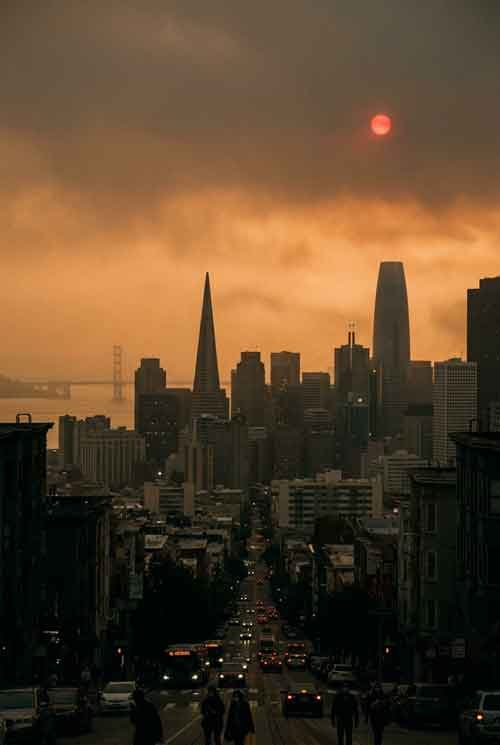
Boston today news :Canada Wildfires smoke has become an increasingly familiar part of summer for many communities across North America. Even people who live hundreds or thousands of miles from an active wildfire can experience hazy skies and unhealthy air. Advances in weather forecasting and air quality monitoring have helped people prepare for these events, but the growing frequency of wildfire smoke has also raised new public health concerns.
Smoke from large wildfires does not stay near the flames. Winds can carry tiny airborne particles across provinces, states, and even international borders. As a result, communities far from the fire itself may experience poor air quality for several days.
Why Wildfire Smoke moves faster
Wildfires release large amounts of smoke into the earth atmosphere. The smoke contains gases, water vapor, and tiny particles constituents known as particulate matter. Weather systems, upper-level winds, and atmospheric pressure patterns transport these particles over long distances.
Infact, Scientists have observed wildfire smoke crossing much of North America during major fire seasons. Satellite imagery and air quality monitoring networks regularly track these smoke plumes, helping forecasters warn communities before air quality deteriorates.
The direction and intensity of smoke depend on changing weather conditions. A shift in wind direction can quickly improve conditions in one region while causing unhealthy air in another.
What Makes it Harmful?
The biggest health concern comes from fine particulate matter, commonly called PM2.5. These particles measure less than 2.5 micrometers in diameter and are small enough to reach deep into the lungs.
Unlike larger dust particles, PM2.5 can pass through the body’s natural defenses and may even enter the bloodstream. High concentrations increase the risk of breathing problems and place additional stress on the cardiovascular system.
Wildfire smoke also contains carbon monoxide, volatile organic compounds, and other pollutants. The exact composition depends on the vegetation, soil, and materials burning.
How Poor Air Quality Affects Human and Animal Health
Did you heard before that Air pollution affects people differently. Healthy adults may notice temporary irritation, while others experience more serious symptoms.
Common effects include:
- Burning eyes
- Sore throat
- Persistent coughing
- Headaches
- Shortness of breath
- Wheezing
- Fatigue
People with asthma may experience worsening symptoms, and those living with chronic lung or heart disease may face a greater risk of medical complications.
Who meets the Greatest Risk?
Public health agencies identify several groups that should take extra precautions during smoke events:
- Children
- Older adults
- Pregnant women
- People with asthma
- Individuals with chronic obstructive pulmonary disease (COPD)
- People with heart disease
- Outdoor workers
Children breathe more air relative to their body size than adults and often spend more time outdoors. Older adults and individuals with existing medical conditions may also be more sensitive to poor air quality.
Why it more Challenging
Many researchers have found that several factors contribute to larger and more intense wildfire seasons. Dry vegetation, prolonged drought, heat waves, and strong winds all increase fire risk.
Climate scientists have also reported that rising global temperatures can lengthen fire seasons in many regions by creating hotter and drier conditions. Although weather patterns vary from year to year, prolonged dry periods often leave forests and grasslands more vulnerable to ignition.
Land management practices, lightning, and human activity also influence wildfire behavior.
Air Quality Index – An analysis
Top Developing and under developed countries use an Air Quality Index (AQI) to help residents understand pollution levels. The AQI converts pollution measurements into categories that range from good to hazardous.
Checking local AQI forecasts before spending time outside has become an important safety habit during such seasons in teh USA.
How Public responds
State and local agencies use several tools to protect public health during smoke events.
These measures may include:
- Air quality alerts
- Public health advisories
- Temporary closures of outdoor recreational areas
- Guidance for schools and childcare facilities
- Recommendations for outdoor workers
Emergency managers also work with meteorologists and environmental agencies to monitor changing conditions.
Stay protect Yourself During Wildfire Smoke
Health experts recommend several practical steps when smoke levels increase. Join Canada wildfires forum discussion USA to talk about Air quality pollution updates
Live Indoors When Possible
Keep windows and doors closed if outdoor air quality becomes unhealthy.
Use Clean Indoor Air
If available, run air conditioning systems using high-quality filters or use portable air purifiers designed to remove fine particles.
Limit frequent Outdoor Activities
Exercise increases breathing rate, allowing more smoke particles to enter the lungs. Consider moving workouts indoors until conditions improve.
Monitor Official Air Quality Reports online
Many environmental agencies provide real-time air quality updates online and through mobile applications.
Follow Medical practitioner Advice
People with asthma or chronic lung disease should keep prescribed medications available and follow their healthcare provider’s recommendations.
Technology Is Improving Smoke Forecasting
Scientists now combine satellite observations, weather models, and air quality monitoring stations to predict smoke movement more accurately than ever before.
Improved forecasting also helps airlines, transportation agencies, schools, and healthcare providers make informed decisions during severe smoke events.
Why Public Awareness is vital
Wildfire smoke often appears as a temporary inconvenience, but poor air quality can affect millions of people simultaneously. Understanding AQI reports, recognizing health symptoms, and following official guidance can significantly reduce health risks.
Looking Ahead
Experts expect wildfire smoke to remain an important public health issue as fire seasons continue to affect different parts of North America.
Investments in early warning systems, improved forecasting, forest management, and public education can help reduce future impacts. While no one can control the weather, individuals and communities can reduce health risks by staying informed and following recommendations from trusted public agencies.
Key Impacts
Wildfire smoke can travel long distances and affect air quality far from the fire itself. Fine particulate matter poses the greatest health concern, especially for children, older adults, pregnant women, and people with heart or lung conditions. Monitoring local air quality, reducing outdoor exposure during smoke events, and following official guidance remain the most effective ways to protect health.
Frequently Asked Questions
What is PM2.5?
PM2.5 refers to tiny airborne particles smaller than 2.5 micrometers that can penetrate deep into the lungs.
Can wildfire smoke travel hundreds of miles?
Yes. Winds can transport smoke across states, provinces, and even international borders.
Who should avoid outdoor activities during heavy smoke?
Children, older adults, pregnant women, people with asthma, and those with heart or lung disease should limit outdoor exposure.
How can I check air quality?
Use official Air Quality Index (AQI) updates from your local environmental agency or weather service.
Do air purifiers help?
Portable air purifiers with HEPA filters can reduce indoor fine particle levels when used correctly.
References
- U.S. Environmental Protection Agency (EPA): Wildfire Smoke and Health
- National Weather Service (NWS): Air Quality and Weather Forecasts
- National Oceanic and Atmospheric Administration (NOAA): Smoke Forecast Resources
- National Interagency Fire Center (NIFC): Wildland Fire Information
- Centers for Disease Control and Prevention (CDC): Wildfire Smoke Safety
- Columbia Climate School: Climate and Wildfire Research
Be the first to join the communty discussion online on How much extent this Canada wildfires smoke affects the air quality index in nearby USA region, Northern America, etc
