Global Conflict Hits Home: US Mortgage Rates Surge to 6.11% as Middle East War Roils Markets
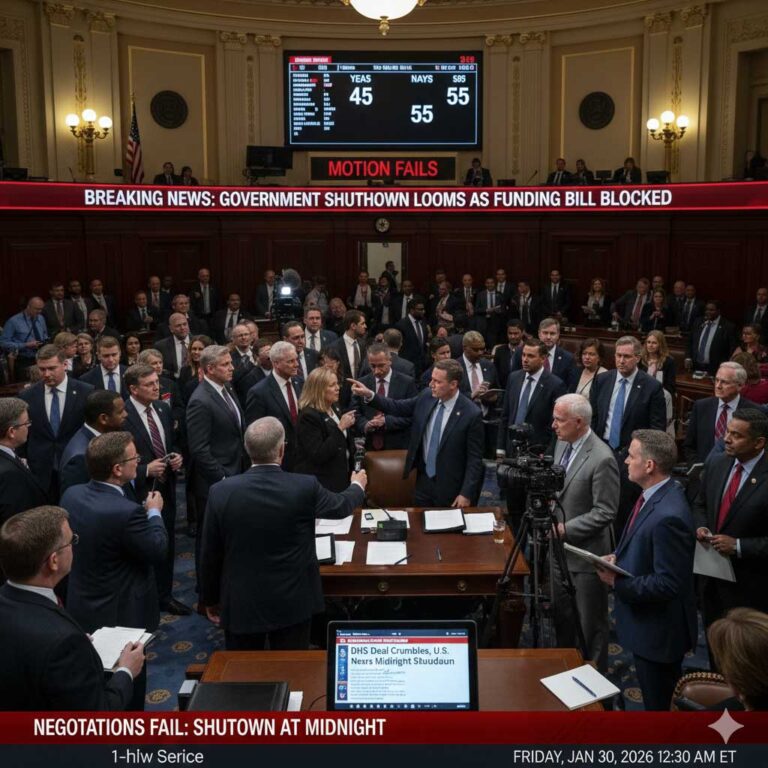
WASHINGTON, D.C. — The fragile recovery of the American housing market faced a major setback this week as geopolitical instability thousands of miles away sent shockwaves through the US financial system. US mortgage rates surged to an average of 6.11%, driven by investor anxiety over President Donald Trump’s intensifying military conflict with Iran and its potential to reignite a domestic inflation crisis.
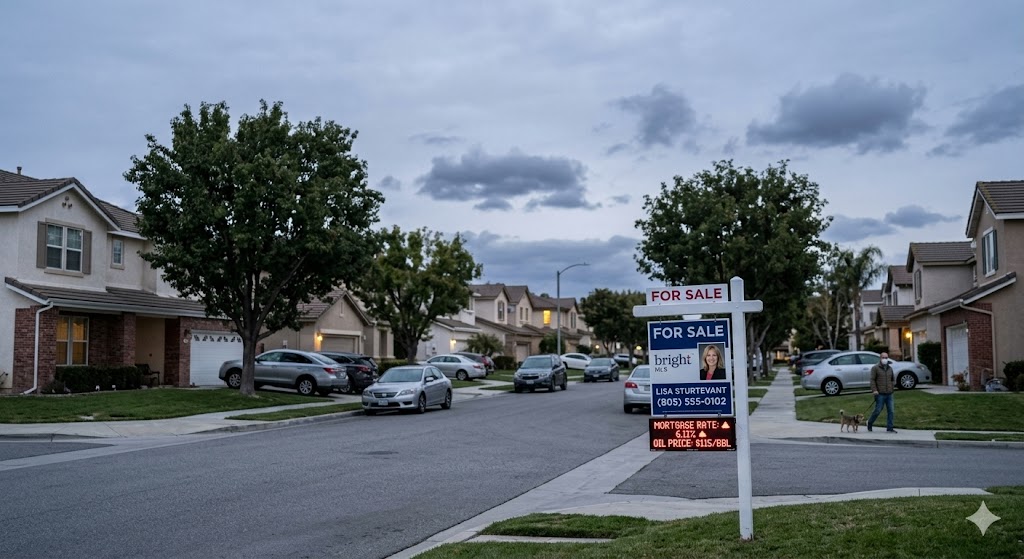
According to the latest Freddie Mac survey released Thursday, March 12, 2026, the 30-year fixed-rate mortgage jumped significantly from the previous week. This marks the sharpest weekly increase since April 2025, effectively erasing the gains made in February when rates had finally dipped below the psychologically critical 6% threshold.
The “War Premium” on Housing
The sudden spike is directly tied to the escalating conflict between the United States, Israel, and Iran. Following the recent “Operation Persian Shield” strikes, global markets have entered a period of extreme volatility.
Treasury Yields and the 10-Year Connection
Mortgage rates historically track the yield on the 10-year US Treasury note. As investors weigh the costs of a prolonged war—including massive military spending and disrupted trade routes—they have begun selling off bonds, causing yields to rise.
- Current Yield: The 10-year Treasury note hit 4.25% on Thursday, its highest point since early February.
- The Impact: When Treasury yields rise, lenders immediately raise the cost of borrowing for home loans to maintain their profit margins.
The Energy Factor
The conflict has led to a closure of the Strait of Hormuz, a vital artery for global oil shipments. With energy prices skyrocketing, economists fear a “second wave” of inflation.
“Without the geopolitical tensions, we would likely be seeing mortgage rates in the high 5s,” said Jeff DerGurahian, Chief Investment Officer at loanDepot. “All of this hinges on the price of oil. If energy costs stay at these levels, the Federal Reserve will be forced to keep interest rates higher for longer, or even consider a hike to prevent the economy from overheating.”
Impact on the Spring Homebuying Season
The timing of the rate hike could not be worse for the real estate industry. March traditionally marks the beginning of the “spring surge,” the busiest window for home sales in the United States.
Affordability Crisis Deepens
For the average American homebuyer, a move from 5.8% to 6.11% is not just a statistic—it is a significant monthly expense. On a $400,000 mortgage, this increase adds nearly $100 per month to a household’s payment, potentially disqualifying thousands of “on-the-fence” buyers who are already struggling with record-high home prices.
Market Sentiment
Just weeks ago, the National Association of Realtors (NAR) reported a 1.7% increase in existing-home sales for February, a sign that the market was finally beginning to thaw. That momentum is now in jeopardy.
- First-Time Buyers: Hit hardest by the rate hike, as they lack the equity from a previous home sale to buffer the increased costs.
- Inventory Shortage: High rates also discourage current homeowners from selling, as many are “locked-in” to older rates of 3% or 4%, further strangling the available supply of homes.
Economic Outlook: A Clouded Spring
The Federal Reserve now finds itself in a precarious position. Before the conflict, markets were pricing in at least two rate cuts by mid-2026. Those expectations have now vanished. Lisa Sturtevant, Chief Economist at BrightMLS, noted that the outlook for the housing market has shifted from “sunny” to “highly uncertain” in a matter of days.
“If the conflict with Iran is contained quickly, we could see a rapid rebound,” Sturtevant stated. “However, a prolonged war means higher oil, higher inflation, and higher mortgage rates. That is a recipe for a stagnant spring housing market.”
Regional Variations: March 12, 2026
While the national average sits at 6.11%, certain regions are seeing even higher localized rates due to varying lender risk assessments:
| Region | Avg. 30-Year Rate | Change from Last Week |
|---|---|---|
| Northeast | 6.15% | +0.22% |
| West Coast | 6.20% | +0.25% |
| Midwest | 6.05% | +0.18% |
| Southeast | 6.09% | +0.20% |
As the situation in the Middle East develops, lenders are updating their rates daily—sometimes hourly. Potential homebuyers are advised to lock in rates quickly if they find a favorable quote, as the “war premium” shows no signs of dissipating.