
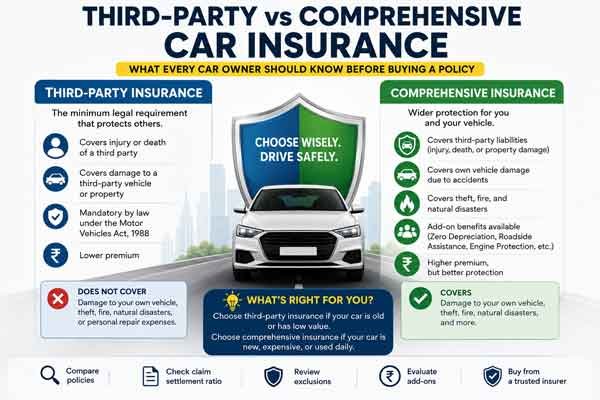
Liability vs. Comprehensive Car Insurance: What Every U.S. Driver Should Know Before Buying Coverage
When shopping for auto insurance in the United States, many drivers focus on finding the lowest monthly premium. While saving money is important, choosing the cheapest policy without understanding what it covers can lead to costly surprises after an accident, theft, or severe weather event.
One of the most common questions among drivers is whether liability insurance is enough or if comprehensive coverage is worth the additional cost. The answer depends on your vehicle, budget, and financial risk tolerance.
Here’s everything U.S. drivers need to know before purchasing or renewing an auto insurance policy.
Understanding Auto Insurance in the United States
Unlike some countries where basic insurance works differently, auto insurance in the U.S. consists of several types of coverage that drivers can combine based on their needs.
The most common coverage options include:
- Liability Insurance
- Collision Coverage
- Comprehensive Coverage
- Personal Injury Protection (PIP)
- Medical Payments Coverage (MedPay)
- Uninsured/Underinsured Motorist Coverage
Among these, liability insurance is required in nearly every state, while comprehensive and collision coverage are usually optional unless your vehicle is financed or leased.
What Is Liability Insurance?
Liability insurance is the minimum legal requirement for drivers in most U.S. states.
It protects you financially if you cause an accident that results in injuries or property damage to someone else.
Liability insurance typically includes:
Bodily Injury Liability
Pays for:
- Medical bills
- Rehabilitation expenses
- Lost wages
- Legal defense costs
- Death benefits when applicable
Property Damage Liability
Covers damage you cause to:
- Another person’s vehicle
- Homes
- Buildings
- Fences
- Utility poles
- Other property
What Liability Insurance Does NOT Cover
Many drivers mistakenly believe liability insurance covers every type of accident.
It does not pay for:
- Damage to your own vehicle
- Vehicle theft
- Flood damage
- Fire damage
- Hail damage
- Vandalism
- Falling tree branches
- Broken windshields
- Animal collisions
If your car is damaged in these situations, you’ll generally have to pay the repair costs yourself unless you have additional coverage.
What Is Comprehensive Car Insurance?
Comprehensive insurance helps pay for damage caused by events other than collisions.
It protects your vehicle against unexpected incidents that are often beyond your control.
Comprehensive insurance generally covers:
- Theft
- Fire
- Flooding
- Hailstorms
- Hurricanes
- Tornadoes
- Wildfires
- Falling objects
- Vandalism
- Civil disturbances
- Glass damage
- Animal collisions, including deer accidents
If your vehicle is declared a total loss because of one of these covered events, comprehensive coverage may help pay its actual cash value after your deductible.
Comprehensive vs. Collision Coverage
Although they’re often purchased together, comprehensive and collision insurance are different.
Collision Insurance Covers
- Crashes with another vehicle
- Hitting a guardrail
- Striking a tree
- Rolling your vehicle
- Single-vehicle accidents
Comprehensive Insurance Covers
- Theft
- Weather damage
- Fire
- Floods
- Vandalism
- Falling objects
- Animal-related damage
Many insurance professionals recommend carrying both for newer vehicles.
Why Comprehensive Coverage Matters
Vehicle repair costs have increased significantly in recent years.
Modern vehicles contain:
- Advanced driver-assistance systems
- Backup cameras
- Radar sensors
- Lane-keeping technology
- Expensive LED lighting
- Sophisticated electronics
Even relatively minor damage can result in repair bills of several thousand dollars.
Without comprehensive coverage, many of these losses become your financial responsibility.
When Liability Coverage May Be Enough
Liability-only insurance may be appropriate if:
- Your vehicle has a low market value.
- Repair costs would exceed the vehicle’s worth.
- You can afford to replace the vehicle yourself.
- You drive an older car.
For some drivers, paying higher premiums for comprehensive coverage may not make financial sense.
When Comprehensive Insurance Is Recommended
Comprehensive coverage is generally worth considering if:
- Your car is less than 10 years old.
- You own an expensive SUV or truck.
- Your vehicle is financed.
- Your vehicle is leased.
- You park outside regularly.
- You live in an area prone to storms.
- Vehicle theft is common in your city.
Many lenders require comprehensive and collision coverage until the auto loan has been fully repaid.
Weather Risks Across the U.S.
Comprehensive insurance can be especially valuable in regions vulnerable to severe weather.
Examples include:
- Hurricanes along the Gulf Coast
- Hailstorms across the Midwest
- Wildfires in California
- Flooding in coastal communities
- Tornadoes in the Plains states
- Heavy snow and ice in northern states
Weather-related vehicle damage can occur without warning and often results in expensive repair bills.
What Determines Your Premium?
Insurance companies calculate premiums using multiple factors, including:
- Driver age
- Driving history
- ZIP code
- Vehicle type
- Credit-based insurance score (where permitted)
- Annual mileage
- Claims history
- Coverage limits
- Deductible amount
Shopping around and comparing quotes from several insurers can help you find competitive rates.
Tips Before Buying Auto Insurance
Before choosing a policy:
- Compare quotes from multiple insurers.
- Review deductibles carefully.
- Check coverage limits.
- Ask about available discounts.
- Consider bundling home and auto insurance.
- Evaluate roadside assistance options.
- Review customer satisfaction and claims service ratings.
The lowest premium isn’t always the best value if it leaves important gaps in coverage.
Which Coverage Is Right for You?
Your decision should depend on:
- Vehicle value
- Financial situation
- Loan status
- Local weather risks
- Theft rates
- Driving habits
- Risk tolerance
Drivers with newer or higher-value vehicles often benefit from broader protection, while owners of older vehicles may find liability-only coverage sufficient.
Final Thoughts
Liability insurance is essential because it helps protect you from the financial consequences of causing injuries or property damage to others. However, it does little to protect your own vehicle.
Comprehensive insurance fills that gap by covering many non-collision events, including theft, fire, vandalism, hail, flooding, and other weather-related damage. While it comes with a higher premium, it can prevent significant out-of-pocket expenses after unexpected events.
Before renewing or purchasing an auto insurance policy, take time to compare your options, understand what each type of coverage includes, and choose a policy that matches your vehicle’s value, your budget, and your long-term financial needs.