House vs Senate: Why DHS Funding Talks Collapsed
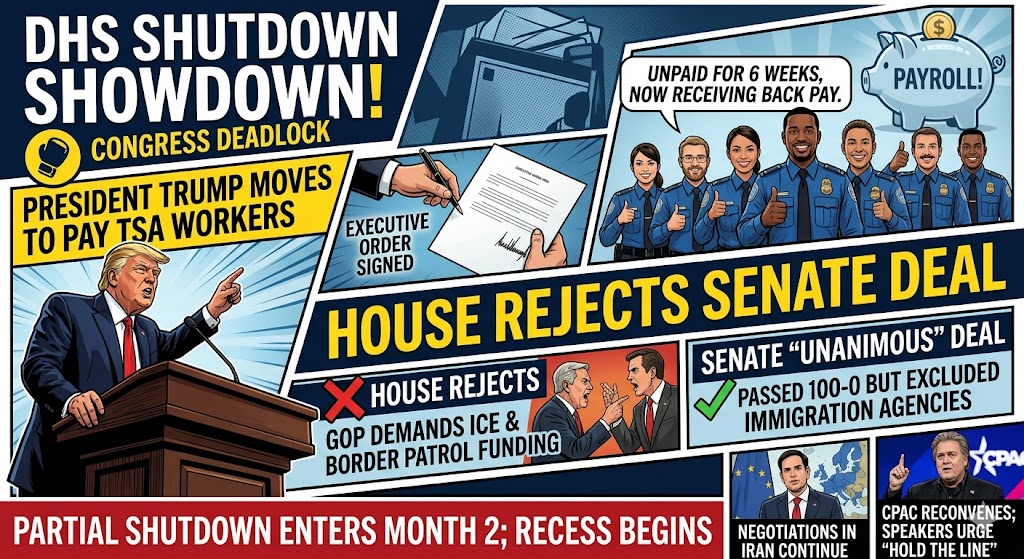
TSA Airport News: Washington faces a deep political standoff as lawmakers fail to agree on funding for the Department of Homeland Security. The Senate passed a bipartisan bill earlier, but House Republicans rejected it and pushed for a short-term funding plan instead.
The disagreement centres on border enforcement. The Senate version leaves out funding for agencies like Immigration and Customs Enforcement and Border Patrol, while House leaders insist on full funding. This clash has kept the DHS shutdown ongoing, raising concerns about national security and government operations.
Senate Pushback: “Dead on Arrival” Warning
The House’s stopgap plan faces strong resistance. Chuck Schumer warned that the proposal has no chance of passing in the Senate.
Lawmakers left Washington for a scheduled recess shortly after passing their own bill, making any quick resolution unlikely. This delay means the DHS shutdown could continue for weeks, affecting multiple agencies and thousands of workers.
Trump Steps In: TSA Workers Finally Get Paid
Amid the political deadlock, Donald Trump took direct action to ease pressure on airport operations. He ordered immediate pay relief for workers at the Transportation Security Administration.
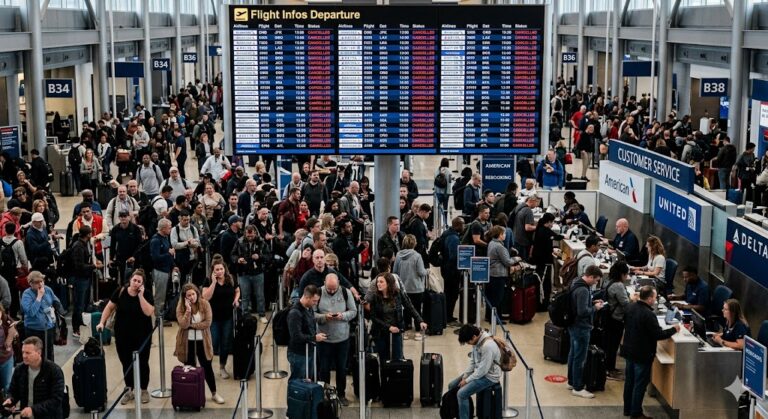
TSA officers had gone weeks without pay, leading to staff shortages and long airport lines. By stepping in, Trump aimed to stabilise travel systems and reduce public frustration.
He stated that TSA workers should not suffer due to political disputes, emphasising their role in national safety.
Political Pressure Builds at CPAC
While Congress struggled to find common ground, the Conservative Political Action Conference became a key platform for Republican leaders.
Figures like Steve Bannon urged lawmakers to stand firm on border funding. Meanwhile, Greg Abbott and Ken Paxton highlighted ongoing border challenges.
The event showed strong support among conservatives for stricter immigration policies and continued pressure on Congress.
Global Tensions Add More Pressure
The DHS shutdown comes at a time of rising global concerns. Marco Rubio addressed the ongoing Iran conflict during international meetings, signalling that the U.S. must manage both domestic and foreign challenges.
Recent military developments, including the use of advanced aircraft like the MC-130J Commando II, have added urgency to national security discussions.
What Happens Next?
With no agreement in sight, the DHS shutdown may continue through the congressional break. The House plans to move forward with its funding bill, but without Senate approval, progress remains uncertain.
For now, Trump’s decision to pay TSA workers offers temporary relief. However, larger issues—such as border security funding and long-term DHS operations—remain unresolved.
The coming weeks will decide whether lawmakers can break the deadlock or if the shutdown will deepen further.
Conclusion: A Nation Watching Washington
The ongoing DHS shutdown highlights the growing divide in U.S. politics. While leaders debate funding priorities, essential workers and national systems feel the impact.
With Donald Trump stepping in to address immediate concerns, attention now turns back to Congress. The question remains: can both sides reach a deal, or will the crisis continue to escalate?
Stay tuned as this major political story develops. Read also Nancy Guthrie and TSA News.
LATEST BREAKING NEWS USA SEE BELOW
Post List





About the Author