

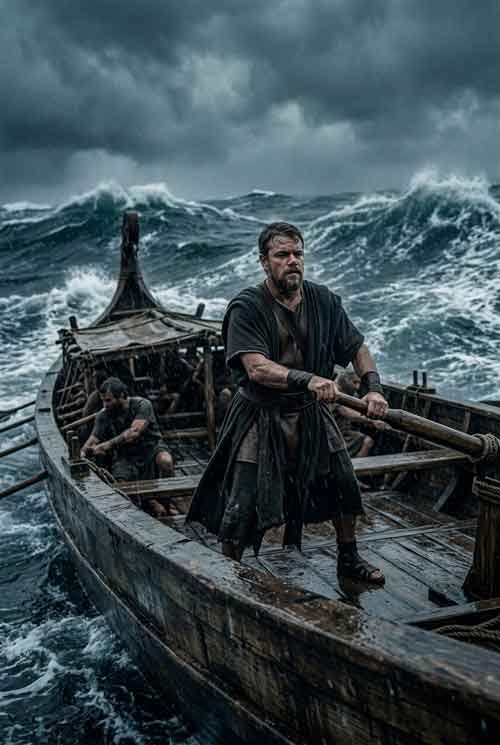

Entertainment News: The Odyssey is already one of the most popular films in Hollywood, even before its public release. The upcoming epic marks another ambitious project from acclaimed filmmaker Christopher Nolan, whose past works have earned worldwide praise for their storytelling, technical brilliance, and unforgettable cinematic experiences.
Over the period of time, Interest in the film continues to grow as fans search for terms like The Odyssey Rotten Tomatoes, The Odyssey reviews, Christopher Nolan movies, Matt Damon, and even IMAX near me to prepare for what many expect to be one of the biggest theatrical events in recent years.
While excitement is high, many online searches already ask about review scores and audience reactions. The reality is simple: since the film has not yet completed its theatrical release, verified critic reviews and Rotten Tomatoes ratings are not available. This article focuses only on confirmed information from trusted sources and explains what audiences can realistically expect.
Odyssey Christopher Nolan put forward a Timeless Story Back to the Big Screen
Did you know? Christopher Nolan has built a reputation for transforming complex stories into visually stunning cinematic experiences. From Memento and The Dark Knight trilogy to Inception, Interstellar, Dunkirk, Tenet, and the Academy Award-winning Oppenheimer, his films consistently attract both critics and moviegoers.
Now, Nolan turns his attention to one of literature’s greatest adventures—The Odyssey. Originally written by the ancient Greek poet Homer, the epic follows Odysseus as he attempts to return home after the Trojan War. Along the journey, he faces mythical creatures, dangerous seas, powerful gods, and countless challenges that test his intelligence and determination.
Rather than creating another superhero spectacle, Nolan is adapting one of history’s most influential stories into a modern cinematic experience while remaining faithful to its legendary roots.
Matt Damon accompany an Impressive Cast
Academy Award winner Matt Damon headlines the film, making this another major collaboration with Christopher Nolan after Oppenheimer. Damon has built an impressive career with performances in films such as Good Will Hunting, The Martian, Ford v Ferrari, and the Jason Bourne series.
His experience portraying intelligent, determined, and emotionally grounded characters makes him a strong choice for this ambitious adaptation.
The production also features a star-studded ensemble cast, with Universal Pictures confirming several high-profile actors joining the project. Their involvement has only increased anticipation among fans eager to see how Nolan interprets Homer’s legendary characters.
Why The Odyssey Is Different From Other Historic Films
Historical epics often rely heavily on large-scale battles or visual effects. Christopher Nolan’s filmmaking style typically balances spectacle with emotional storytelling and practical filmmaking techniques.
His productions frequently use real locations, practical effects, large-format cameras, and minimal computer-generated imagery whenever possible. That approach helped make films like Dunkirk and Oppenheimer feel authentic while still delivering breathtaking visuals.
Many movie enthusiasts expect The Odyssey to follow the same philosophy. Instead of focusing only on mythology, the film is likely to emphasize the human journey, difficult choices, survival, and leadership that made Homer’s original story timeless.
Will this film Be Released in IMAX?
One of the biggest questions surrounding the film is whether audiences should experience it in IMAX.
Christopher Nolan has long supported premium large-format filmmaking. He regularly shoots major portions of his films using IMAX cameras, giving viewers greater image detail and a more immersive presentation.
Although theater availability depends on each country and city, many fans are already searching for IMAX near me to plan their viewing experience.
Watching Nolan’s films in IMAX often provides:
- Expanded image quality
- Enhanced sound design
- Greater visual immersion
- A cinematic presentation designed for large-format screens
As the official release approaches, local theater chains and IMAX listings will provide confirmed showtimes.
What is The Odyssey Rotten Tomatoes Score 2026?
Searches for The Odyssey Rotten Tomatoes continue to increase, but it is important to understand how Rotten Tomatoes works.
Rotten Tomatoes publishes critic and audience scores only after professional reviews become available. Until review embargoes end and verified critics submit their opinions, no official Tomatometer score exists.
If you currently see numerical ratings circulating on social media or unofficial websites, treat them with caution. Unless they appear on Rotten Tomatoes after verified reviews are published, they should not be considered reliable.
The same applies to searches for The Odyssey reviews or Odyssey reviews. Genuine reviews will appear only after advance screenings and the official theatrical release.
Christopher Nolan Movies Continue to Set High predictions
Few modern directors generate excitement quite like Christopher Nolan. Each new project becomes a global event because audiences know they can expect thoughtful storytelling combined with technical excellence.
Some of Nolan’s most acclaimed films include:
- Memento
- Batman Begins
- The Prestige
- The Dark Knight
- Inception
- Interstellar
- Dunkirk
- Tenet
- Oppenheimer
Many of these films received strong critical praise, multiple award nominations, and impressive worldwide box office performances. That history naturally raises expectations for The Odyssey.
Still, every new film deserves to be judged on its own merits rather than comparisons alone. Fans and critics alike will ultimately decide where The Odyssey ranks among Christopher Nolan’s remarkable filmography once the movie reaches theaters.
Why Matt Damon Is an excellent choice for the Lead Role
Matt Damon has spent decades proving his versatility across multiple genres. Whether portraying a stranded astronaut in The Martian, a gifted mathematician in Good Will Hunting, or the resourceful Jason Bourne, he consistently brings intelligence and emotional depth to his characters.
Those qualities align well with Odysseus, the legendary Greek hero known not only for his courage but also for his strategic thinking. Unlike many action heroes, Odysseus survives through careful planning, patience, and determination. Damon has repeatedly demonstrated the ability to portray characters who rely on both their minds and their resilience, making him a compelling choice for the role.
His previous collaboration with Christopher Nolan on Oppenheimer also suggests a strong working relationship between actor and director. That familiarity may help deliver another memorable performance.
Why Homer’s The Odyssey remain significant
Although The Odyssey was written thousands of years ago, its themes remain relevant for modern audiences.
The story explores ideas that continue to resonate across cultures, including:
- The importance of family
- Leadership during difficult times
- Loyalty and perseverance
- The consequences of pride
- The desire to return home after hardship
These universal themes explain why The Odyssey has inspired countless books, films, television series, and stage productions. Christopher Nolan’s adaptation introduces this classic tale to a new generation while giving longtime fans another way to experience one of history’s greatest literary works.
What Can Fans look for From The Odyssey Reviews?
Many moviegoers are already searching online for The Odyssey reviews and Odyssey reviews, but genuine critical opinions will only appear after official press screenings.
Professional critics typically evaluate several aspects of a film, including:
- Storytelling and screenplay
- Acting performances
- Direction
- Visual presentation
- Musical score
- Cinematography
- Editing
- Overall audience appeal
Once review embargoes are lifted, trusted publications such as Variety, The Hollywood Reporter, Empire, Deadline, and Rotten Tomatoes will begin publishing verified reviews.
Until then, any review claiming to provide a complete assessment should be viewed carefully unless it comes from an official screening.
Understanding Rotten Tomatoes Ratings
Rotten Tomatoes is one of the world’s best-known movie review aggregation platforms. Rather than creating its own reviews, it collects published opinions from approved critics and calculates the percentage of positive reviews.
The website also displays an Audience Score based on verified user ratings after a film becomes available to the public.
Because of this process, The Odyssey Rotten Tomatoes page will remain incomplete until critics submit their reviews following advance screenings or the official release.
Checking Rotten Tomatoes after release offers a reliable way to compare professional opinions with audience reactions.
Why This Film Is One of Hollywood’s Most Anticipated Releases
Several factors have contributed to the excitement surrounding The Odyssey.
First, Christopher Nolan has earned enormous trust from audiences by consistently delivering original, ambitious films. His projects often combine strong storytelling with practical filmmaking techniques and large-scale production values.
Second, the source material is one of the most celebrated literary works ever written. Bringing Homer’s epic to the big screen presents an opportunity to introduce the classic story to millions of new viewers.
Finally, the combination of Matt Damon and an impressive supporting cast has generated widespread interest among both movie enthusiasts and casual audiences.
These factors have helped make The Odyssey one of the most anticipated films currently in development.
How to Find an IMAX Screening Near You
Many fans plan to watch Christopher Nolan’s films in premium formats because of his commitment to large-format cinematography.
If you are searching for IMAX near me, the best approach is to check:
- Your local cinema’s official website
- The official IMAX theatre locator
- Advance ticket listings once bookings open
Premium large-format screenings often sell out quickly, especially during opening weekend, so booking early is recommended.
Final Thoughts
The Odyssey has all the ingredients of a major cinematic event. Christopher Nolan’s reputation, Matt Damon’s leading performance, and Homer’s timeless story combine to create enormous expectations among movie fans worldwide.
Although many people are already searching for The Odyssey Rotten Tomatoes, The Odyssey reviews, and Odyssey reviews, verified critic scores and audience reactions will only become available after official screenings and the theatrical release.
For now, confirmed production details suggest that audiences can expect another ambitious project from one of modern cinema’s most respected directors. Whether you are a longtime Christopher Nolan fan or someone discovering Homer’s classic story for the first time, The Odyssey is shaping up to be one of the films worth watching on the biggest screen possible.
As more official information becomes available—including trailers, critic reviews, Rotten Tomatoes scores, and IMAX showtimes—moviegoers will have an even clearer picture of what promises to be one of the year’s most significant film releases.
Trusted Sources fore reference
- Universal Pictures (Official announcements)
- Rotten Tomatoes
- IMDb
- IMAX
- Homer, The Odyssey (Ancient Greek epic)
- Major entertainment publications including Variety, Deadline, and The Hollywood Reporter for verified production updates.