
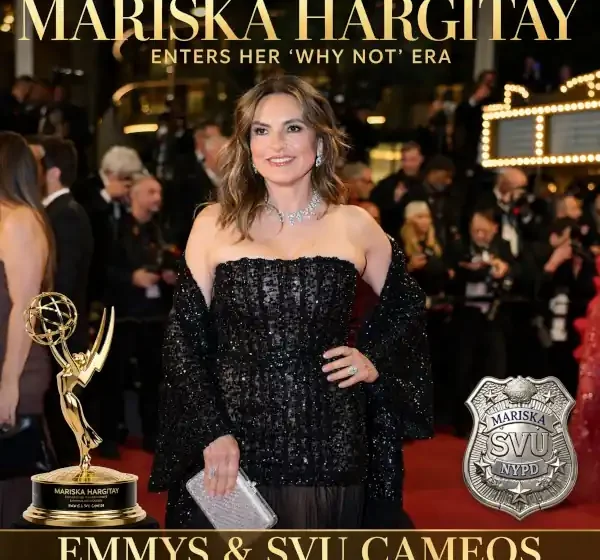

Top Texas Today News: Award-winning actor Mariska Hargitay recently joined TODAY to share insights into her transformative “Why Not” era. Known worldwide for her iconic portrayal of Captain Olivia Benson on Law & Order: Special Victims Unit, Hargitay is expanding her creative horizons across television, live theatre, and major hosting duties. During her candid interview, she reflected on stepping outside her comfort zone to embrace unexpected projects with newfound enthusiasm.
Primary television coverage surrounding the Primetime Emmy Awards hosting announcement highlights Hargitay’s growing influence across prime-time entertainment. Her decision to say yes to fresh artistic opportunities comes at a high point in her legendary multi-decade career.
Embracing Creative Boldness: From Broadway to Primetime Hosting
Hargitay discussed her recent preparation to host the Primetime Emmy Awards, marking a major milestone in her hosting career. She also reflected on her critically acclaimed Broadway debut in Every Brilliant Thing, an intimate production that reshaped her approach to dramatic performance. Stepping onto the stage allowed her to connect with audiences in an immediate, vulnerable setting.
In addition to her stage work, Hargitay dropped exciting hints about the upcoming season of Law & Order: SVU. She teased a potential guest appearance by NBA champion and New York Knicks star Jalen Brunson. Brunson, an avid fan of the series, formed a public bond with Hargitay during the championship postseason, paving the way for an exciting crossover.
Key Career Milestones in Mariska Hargitay’s ‘Why Not’ Phase
Hargitay’s current career chapter reflects a deliberate shift toward taking risks and celebrating collaborative partnerships. Her willingness to tackle diverse projects showcases remarkable adaptability across modern media.
-
Primetime Emmy Awards Host: Preparing to anchor television’s biggest night with characteristic warmth and humor.
-
Broadway Debut: Starred in Every Brilliant Thing, earning praise for her raw theatrical presence.
-
Knicks Crossover: Welcoming Finals MVP Jalen Brunson into the extended SVU universe following his championship run.
-
Directorial Milestones: Preparing to direct milestone episodes, including the landmark 600th episode of SVU.
Data Breakdown: Historic Milestones of Law & Order: SVU
| Category Metric | Historic Benchmark | Current Season Context |
| Series Longevity | Longest-running primetime live-action drama | Entering landmark 27th/28th season |
| Character Tenure | Olivia Benson (27+ years) | Longest-running character in TV history |
| Directorial Benchmark | Milestone directing credits | Hargitay directing Episode 600 |
| Star Guest Appearances | Athletes, Oscar winners, musicians | Potential cameo by Knicks star Jalen Brunson |
Frequently Asked Questions Regarding Hargitay’s Latest Projects
What did Mariska Hargitay mean by her ‘Why Not’ era?
Hargitay described the phase as a conscious choice to say yes to new artistic challenges—such as hosting major awards shows and performing on Broadway—without letting fear hold her back.
Will NBA star Jalen Brunson actually appear on Law & Order: SVU?
While details remain under wraps, Hargitay strongly hinted during her TODAY interview that the Knicks point guard and Finals MVP could make a special guest appearance in the upcoming season.
Discussion Forums, Industry Links, and External References
Entertainment enthusiasts tracking primetime television trends can explore background archives on Wikipedia’s Mariska Hargitay Overview. To search additional celebrity interview updates and broadcast schedules, check USA Free Latest Job Alert Google Search. Join active fan discussions regarding upcoming television cameos and Emmy predictions on the NT Live News Discussion Forums.
Mariska Hargitay’s vibrant “Why Not” philosophy demonstrates that veteran performers can continuously reinvent themselves while maintaining beloved television institutions. By taking on Broadway, preparing to host the Emmys, and welcoming guest stars like Jalen Brunson, Hargitay continues to set the standard for longevity and creative freedom in modern entertainment.